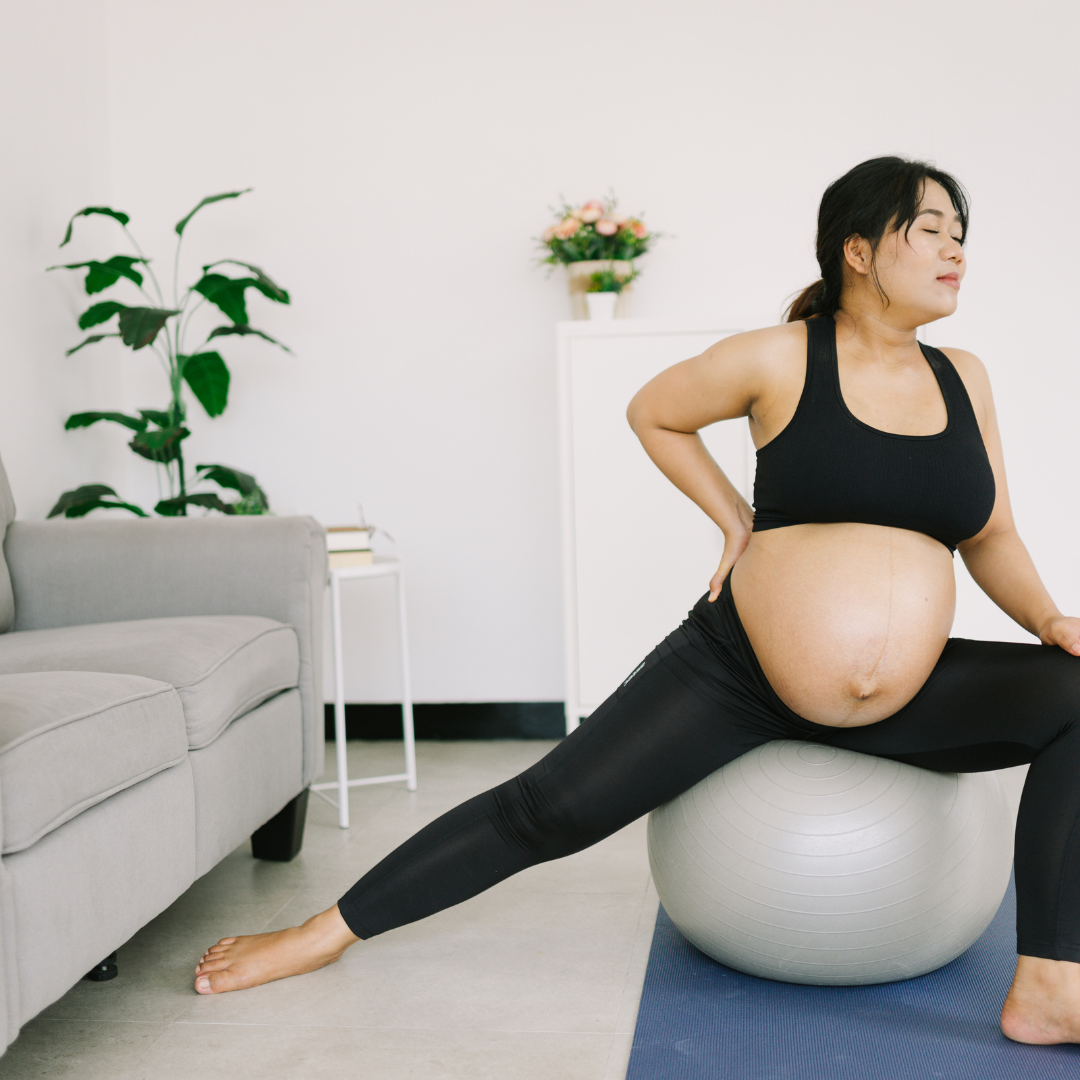
The period of pregnancy is a joyful time, however the normal changes that occur in a woman’s body from the growing fetus create many challenges. As the baby inside a woman grows, her musculoskeletal system globally must adapt quite dramatically which often results in discomfort, pain, and sometimes orthopaedic problems.
Numerous females confide that they suffer from back pain, hip aches, and swollen joints when they are pregnant. Although some causes for the mentioned changes and factors exist, it is still necessary to learn how to handle these changes in order to maintain the health of both yourself and your baby.
In this blog we will discuss some of the important orthopaedic considerations during pregnancy, common conditions related to pregnancy, how to manage them safely, and when to require a specialist.
What causes orthopaedic issues during pregnancy?

There are many physiological changes during pregnancy, that will affect the bones, joints, and muscles:
- Hormonal Effects (Relaxin): The hormone relaxin is a hormone that is released to signal the ligaments to soften in order to facilitate the passage of the baby through the pelvis, but it also gives a certain laxity to the other joints which, as a result, decreases control of the joints, thus decreasing stability.
- Weight Gain: The extra weight that results from pregnancy changes the female body in such a way that the spine, hips, knees, and ankles have to work harder to support the two of them.
- Shift in posture: The enlargement of the abdomen means that the centre of gravity has shifted forward and the lower back has been overloaded.
- Accumulation of fluid: Depending on the person, retains fluids due to being pregnant which ultimately swelling in the joints, which will cause discomfort notably in the wrists, fingers, and feet.
These natural changes can lead to some specific orthopaedic conditions.
Common Orthopaedic Considerations during pregnancy
Lower Back Pain
Almost 50-70% of pregnant females report back pain as a problem often in the second and third trimesters. Low back pain is also a result in an increase in spinal curve (lordosis) because the abdominal muscles are being stretched.
Management tips:
- Use correct posture when sitting and standing.
- When working, always use a lumbar support pillow.
- If you are active person, and feeling good, stretching and prenatal yoga under the direction of a competent instructor can be helpful.
Pelvic Girdle Pain (PGP)
Due to relaxin pelvic joints relaxes, which leads to pain in the hips, groin, or lower back.
Management Tips:
- Eliminate activities that weight the body unevenly (like carrying excessive weight on one side).
- Use a maternity support belt.
- Sometimes, physical therapy can strengthen the muscles of the pelvis.
Knee and Ankle Pain
Weight and fluid gain put more pressure on joints that bear the weight. Ankle and foot swelling is also typical.
Management Tips:
- Elevating feet whenever possible can help alot.
- Wearing supportive shoes.
- Moderate/ light swims or water therapy for less weight bearing.
Carpal Tunnel Syndrome (CTS)
The median nerve gets compressed in cases of swelling and hormonal changes of pregnancy at the level of the wrist, thus resulting in numbness, tingling, or pain in the hands.
Management Tips:
- Wear wrist splints nighttime.
- Do not carry out repetitive wrist movement as far as possible.
- Cold packs may alleviate the swelling.
Pregnancy-Related Osteoporosis (Very Rare)
In some very rare cases, women diagnosed with osteoporosis during pregnancy may experience bone pain and fractures.
Management Tips:
- Increased calcium and vitamin D intake.
- Engagement in weight-bearing exercises as permitted by your doctor.
- Medical supervision is very necessary.
Safe Orthopaedic Considerations Management During Pregnancy

Pregnant women have to be careful about all medications and treatments since many drugs are unsafe for the unborn child; these will not, therefore, be considered. The focus will be directed toward non-invasive and lifestyle-based strategies:
Physiotherapy: The main aim is to enhance physical comfort through the core strengthening, hip and pelvic floor strengthening which are tailored to each woman’s musculoskeletal problem.
Thermo-Balancing Therapy: Heat is given to the affected areas while cold is used to the areas that are swollen.
Yoga and Pilates during pregnancy: Guided and safe practices are meant to create flexibility within the body and alleviate tension.
Water and food: The harmony of muscles and bones should be achieved through adequate supply of proteins, calcium, vitamin D, and magnesium to the body.
Supporting Products: It has been found that use of belly bands, orthotic shoes, and maternity pillows can enhance comfort.
When to Consult an Orthopaedic Specialist

“Not every pain of pregnancy is call the normal one.” If there is any of the following, seek medical help:- Your back or public pain becomes severe or unbearable or continues.
- The joint swells up suddenly with redness and warmth.
- There is weakness in legs with numbness, or in hands, affecting work.
- It is another thing if there are associated fevers or extreme fatigue with pain.
- Walking becomes a task, or just anything routine is a good challenge.
Visiting an orthopaedic specialist early ensures timely diagnosis and treatment.
Postpartum Consideration in Orthopaedics
The changes do not end after giving birth. Some women feel back pain, pelvic instability, and finally, wrist pain, popularly known as “mommy’s thumb” or De Quervain’s tenosynovitis.
Pregnancy Care Tips:
- Resume activity slowly.
- Strengthen the muscles in your abdomen.
- While nursing, make sure that you have your posture maintained correctly.
- If the pain has been going on for a very long time, then seek the advice of a professional.
Last words
During pregnancy, the occurrence of musculoskeletal problems is typical. Though, these trouble can mostly be controlled by doing healthful changes in the lifestyle, undergoing physical therapy and involving the supportive care.
Awareness about all these difficulties helps expectant mothers to maintain joint and bone health.
If you are suffering from any persistent pain or mobility issues during the course of pregnancy, do look up an orthopaedic specialist. Dr. Akshay Shetty’s Centre of Orthopaedics provides safe, custom-made care, specially catering to the needs of pregnant and postpartum women.
Leave a Reply