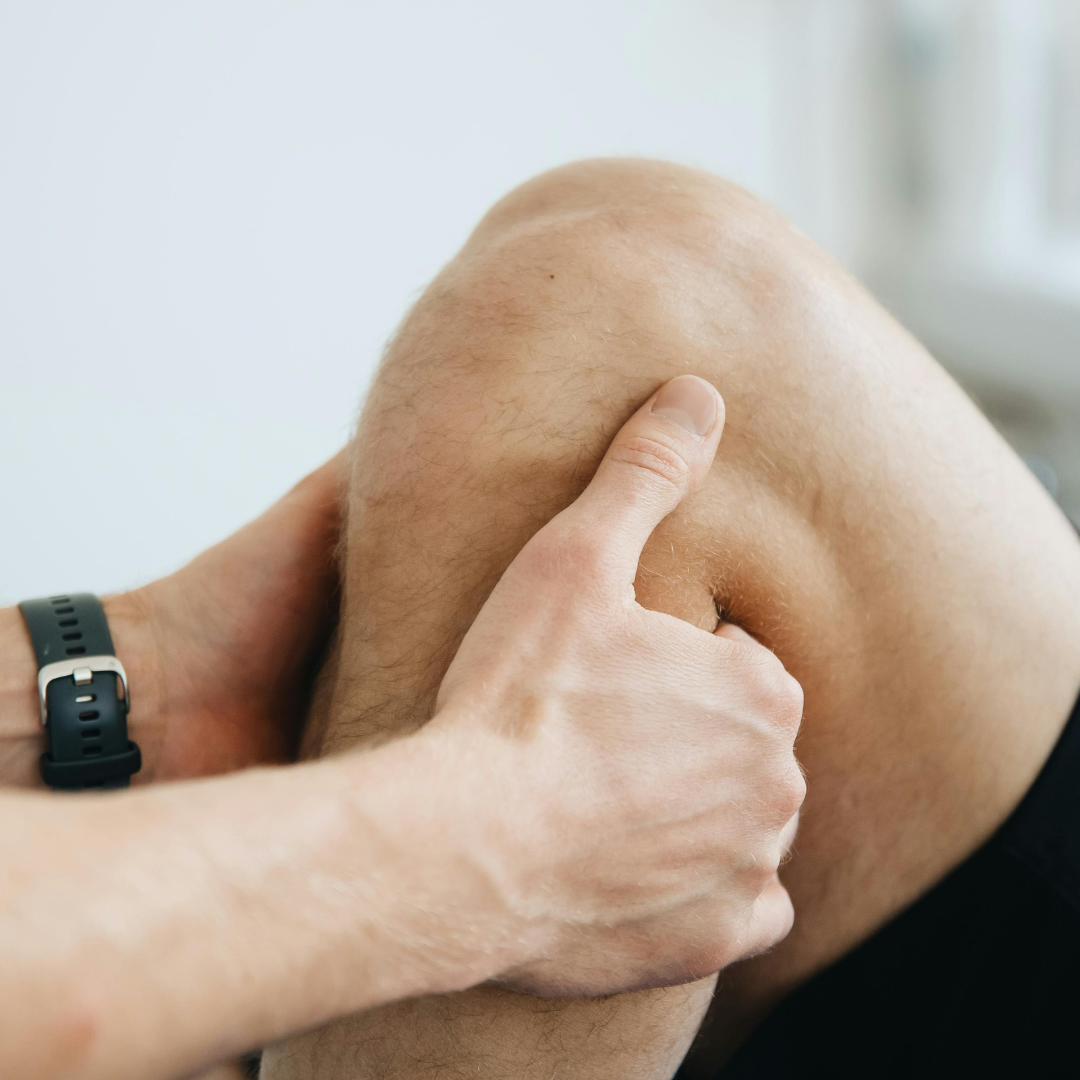
Runner’s Knee or Patellofemoral Pain Syndrome (PFPS) is a condition commonly seen in individuals that run on a regular basis. The condition refers to knee pain or discomfort that occurs when walking, running, or climbing stairs. Here, in this video, Dr. Akshay Shetty talks about the complete process of diagnosing and treating Runner’s Knee.
Athletes and active fitness participants are most likely to complain of knee pain as a result of excessive stress. Some of the common causes of knee pain are described below. Runner’s Knee is another name for the more medical term, Patellofemoral Pain Syndrome (PFPS). The knee pain associated with the conditions is generally located under and around the kneecap. Knee pain from PFPS can significantly inhibit routine activities including walking and climbing stairs, as well as running, jumping and even squatting and other forms of lifting.
Runner’s Knee is a common condition that can be found in athletes, as well as everyday individuals. It can affect athletes at all levels, from Olympic competitors to the amateur. It also common to people who engage in recreational sports, who work out at the gym, cycle or who engage in any type of activity that involves heavy use of the knee. If left untreated, it can result in serious restriction of mobility.
All the Sports injury specialists in Bangalore cannot always tell you the source of your knee pain, but we can; and that is why our sports medicine physicians, with years of experience in assessment and treatment of sports-related injuries, are able to treat patients effectively for their Runner’s Knee. Having vast knowledge in the realm of sports injury treatment and being well-versed with the management of ligament conditions, Dr. Akshay Shetty has diagnosed and treated several patients suffering from Runner’s Knee.
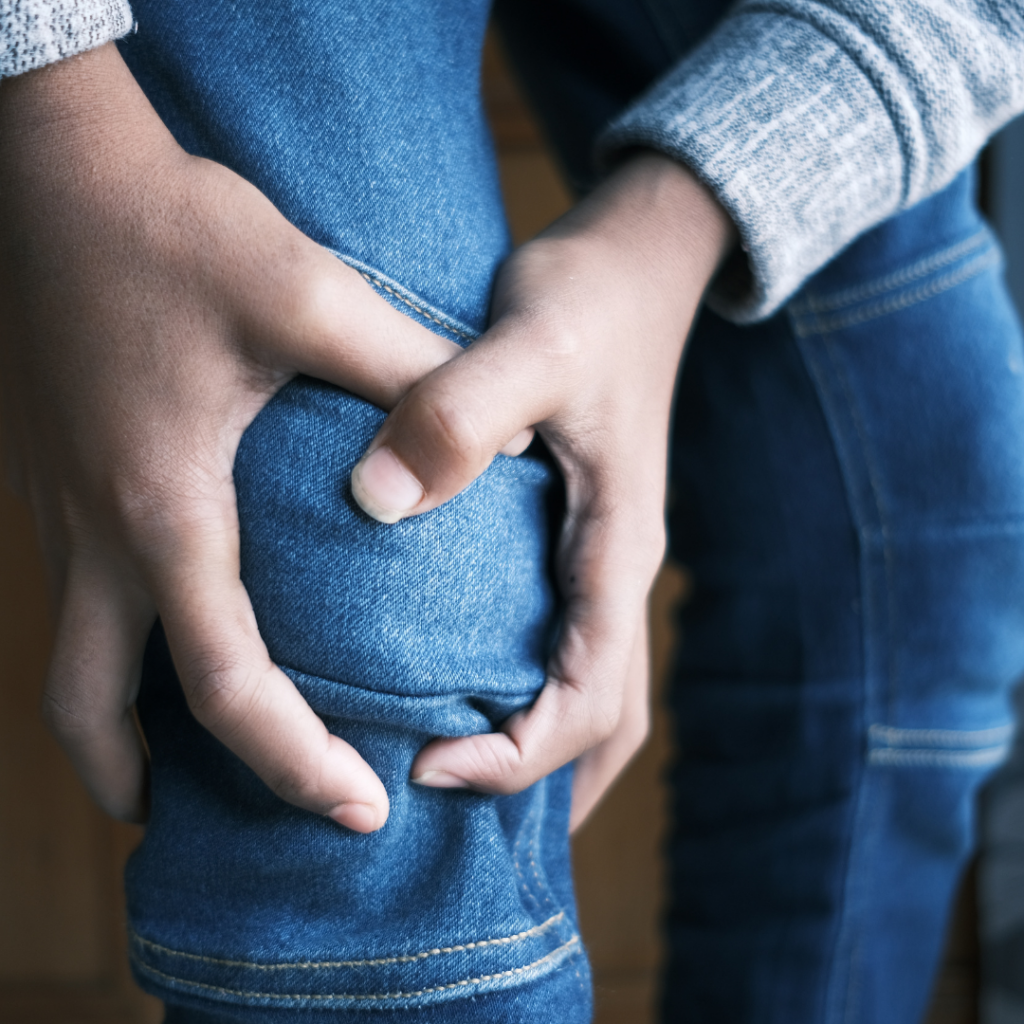
What Is Runner’s Knee (Patellofemoral Pain Syndrome)?
Runner’s Knee is caused by pain around the patella (kneecap) which sits at the end of the thigh bone. The kneecap tracks within a groove at the end of the thigh bone as the knee moves through a range of motion. In some cases the kneecap may not track properly in the groove or the joint may be subjected to increased stress which causes inflammation and pain.
This knee condition occurs in individuals who lead very active lifestyles, meaning they have to bend their knee joints often in their everyday lives. Common causes of the condition are running, jumping, cycling and heavy squatting.
Runner’s Knee is a condition which can develop as a result of an increase in level of activity or a change in activity, particularly if it involves a lot of running, or as a result of kneeling or bending movements. It is the most common condition found in runners.
Common Causes of Runner’s Knee
Runner’s Knee is caused by repeated strain to the knee joint. Find out more about the common causes.
Overuse of the Knee Joint
A common source of knee joint irritation is associated with activities that require a lot of bending and straightening of the knee joint.
Muscle Weakness or Imbalance
Off beat tracking of the kneecap can occur during dynamic movements due to weakened muscles in the thigh and/or hip.
Sudden Increase in Physical Activity
Overloading the knee can occur if you make a sudden increase in the intensity of your workouts, or if you are doing more than you are used to, such as running longer distances. Overloading the knee can also occur if you are increasing your frequency of workouts.
Poor Foot Mechanics
Orthotics for Flat Feet: How Imbalanced Biomechanics Affect Gait People who have flat feet or wear shoes that are of the wrong type will cause an imbalance in the way they distribute their weight, which will affect the movement of their body when running or walking.
Previous Knee Injuries
Those who have sustained a knee injury in the past are more likely to develop altered joint mechanics, and are therefore at greater risk for developing Runner’s Knee.
Doctors take into account the above factors while planning an individualised treatment plan to assist in patient’s rehabilitation.
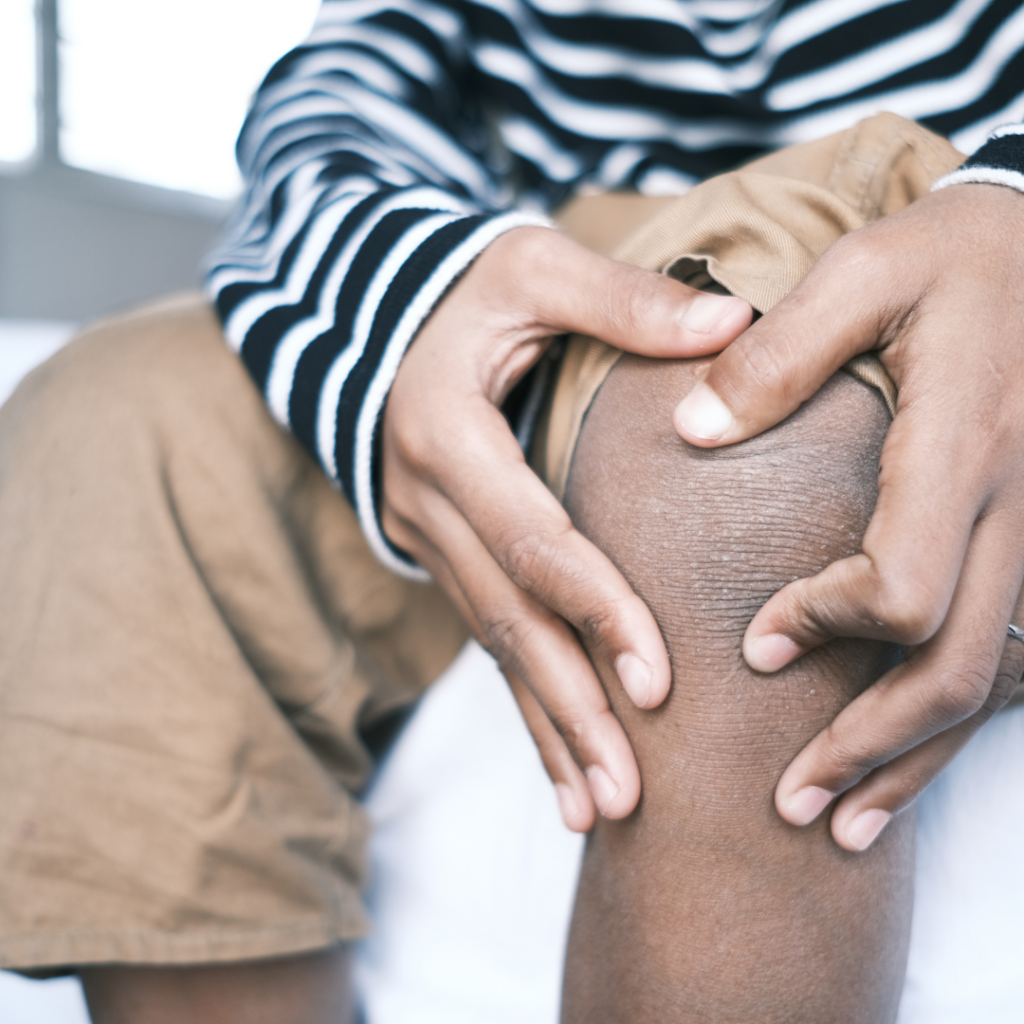
Symptoms of Runner’s Knee
Runner’s Knee is a condition where the symptoms that you are experiencing develop over time and generally get worse with use.
Common symptoms include:
- Pain around or behind the kneecap
- Knee pain during running and squatting and stair climbing activities
- Discomfort exists after someone sits for extended time periods
- The knee produces a grinding or clicking sound while moving
- Mild swelling exists around the knee joint
If you are experiencing the following symptoms and they last for more than a day and are increasing over time, it is recommended to visit a sports injury specialist.
Diagnosis of Runner’s Knee
Accurate diagnosis is important for optimal management. The specialist makes a detailed assessment for the diagnosis of the condition. This is carried out by means of a full physical examination that will identify the patient’s symptoms and activity levels.
The doctor will examine the following aspects during the evaluation:
- Knee alignment and movement
- Muscle strength around the hip and thigh
- Flexibility of surrounding muscles
- Walking or running mechanics
Your doctor may order X-rays or an MRI to make sure that you don’t have any underlying medical conditions that could be causing your symptoms such as a ligament injury or cartilage damage.
Dr. Akshay Shetty diagnoses the cause of knee pain in athletes and the active population and develops an appropriate treatment plan.
Treatment Options for Runner’s Knee
The majority of cases of Runner’s Knee can be effectively treated without surgery. Treatment is aimed at reducing symptoms and allowing for an improved range of motion and strength of the knee, through the reduction of pain.
Rest and Activity Modification
In order to recover from a knee injury one should have to lead a less active lifestyle by trying to minimize heavy activities that put pressure on the knee.
Physiotherapy and Rehabilitation
According to a study published in the Journal of Applied Physiology, structured physiotherapy programs can help individuals learn how to strengthen their quadriceps, hamstrings and hip muscles thus enabling them to achieve greater knee stability.
Strengthening Exercises
The main goal of the exercises in the rehabilitation programme is to achieve optimal muscle balance around the knee, and to enable the kneecap to move properly when moving and exercising.
Ice Therapy and Medication
The application of ice in conjunction with the application of anti-inflammatory drugs can relieve pain and reduce swelling.
Correcting Biomechanics
Your knee is a vulnerable joint and can easily be injured. Tips to prevent knee injuries when running include running more efficiently, standing or sitting up straight and better footwear.
Despite the problems that an injury may cause, in no way will there be chronic disability if the patient is given appropriate rehabilitation and follows a normal rehabilitation protocol which returns the athlete to competition and sporting activities.
Preventing Runner’s Knee
At University Health Center, we see many athletes and active individuals who are seeking protection for their knees while engaging in physical activity. There are a variety of methods that can be implemented in order to help prevent injuries.
Some helpful tips include:
- Gradually increasing workout intensity and duration
- Regularly strengthen leg and hip muscles
- The sports footwear which is suitable must be worn by players
- Appropriate running and exercise biomechanics are critical for injury prevention.
- Before you get started, it is highly recommended that you warm up and stretch.
Both of these factors are important for reducing the risk of a knee injury and helping to keep the joints stable.
Role of a Sports Injury Specialist
Sports injuries to the knee require accurate diagnosis and appropriate care. A specialist has the knowledge and expertise to properly assess a knee injury and prescribe the best course of treatment.
Knee conditions in athletes can occur due to several factors. To address this, sports injury specialist Dr. Akshay Shetty of Orthoexpert clinic in Bangalore focuses on the assessment, management and rehabilitation of various knee conditions seen in athletes and sport enthusiasts. Accurate diagnosis, tailored treatment and rehabilitation forms the backbone of his method of management.
Early treatment can help prevent the condition from getting worse and allows for a safe return to sports and daily activities.
When Should You See a Doctor for Knee Pain?
You should consider consulting a doctor if:
- Knee pain persists for several days
- Pain worsens during physical activity
- There is swelling or stiffness in the knee
- Movement of the knee becomes limited
- The pain affects daily activities or sports performance
Consult early, as early as possible, with a specialist. To prevent further damage and for a quicker rehabilitation.
Conclusion
The athletic population faces Runner’s Knee as their most prevalent condition which can affect anyone who frequently bends their knees. The symptoms begin to show themselves progressively, yet their development will continue to worsen when people choose to overlook them. The timing of your knee injury diagnosis together with treatment procedures will determine your likelihood of achieving complete healing.
Most patients can resume their daily routines after they complete their physiotherapy treatment and their rehabilitation process and exercise program. Patients who have persistent knee pain or who have undergone treatment for sports-related injuries should see Dr. Akshay Shetty to determine their condition’s cause and to stop future chronic knee issues.
Leave a Reply