Athletes and fitness enthusiasts commonly interpret their ability to endure pain as their strongest sign of dedication. The popular saying “No pain no gain” has become a widespread belief system but its validity requires evaluation. The truth is, people should not disregard all forms of pain. The experienced orthopaedic surgeon Bangalore states that people must learn to distinguish between normal muscle soreness and injury-related pain for their health and their ability to perform athletic activities.
Pain vs Soreness – Key Difference
Pain and soreness exist as two distinct entities which require separate definitions.
After a workout, it’s normal to feel mild soreness, especially if you’ve increased intensity or tried new exercises. This condition, known as delayed onset muscle soreness (DOMS), usually disappears after several days.
The experience of injury-related pain shows different characteristics. It may feel sharp, continuous, and worsen with movement. The ability to identify this difference helps prevent serious complications.
Normal Soreness
• Mild discomfort
• Improves with movement
• Reduces within 48–72 hours
Injury Pain
• Sharp or stabbing sensation
• Persistent or worsening pain
• Swelling or restricted movement
An experienced orthopaedic surgeon Bangalore can help identify whether your pain is safe to train through or needs medical attention.
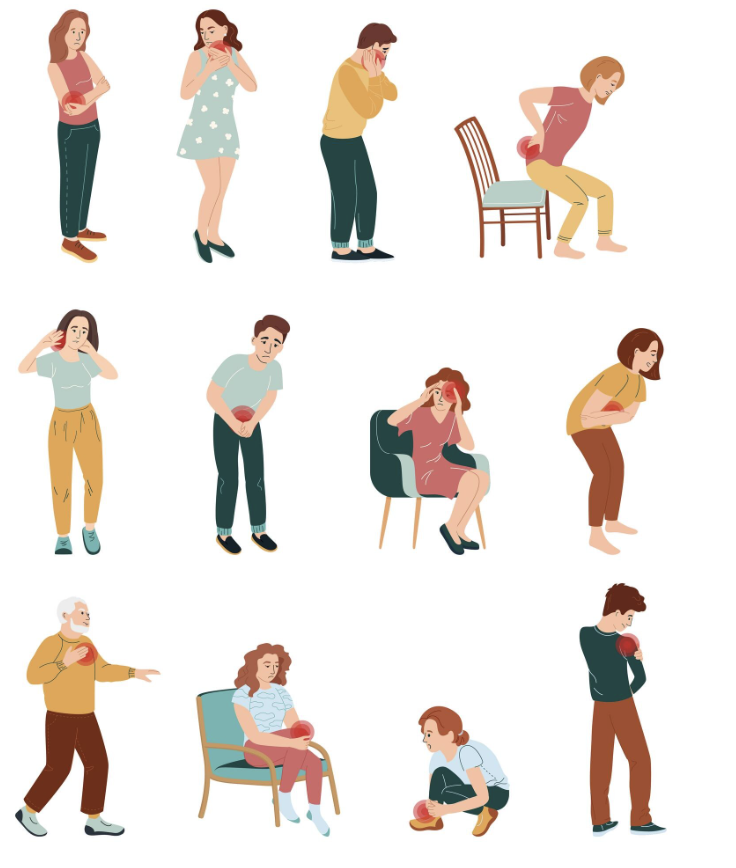
Why Training Through Pain Can Be Risky
The process of training while ignoring pain leads to multiple health problems which include Worsening of minor injuries Ligament or tendon damage Chronic pain conditions Longrecovery time The majority of sports injuries become extreme cases because people disregard their initial warning indicators.
Common Situations Where People Ignore Pain
• People choose to continue their exercise routine even when they experience joint pain
• People choose to continue playing sports even when they have mild injuries
• People choose to start their training again too soon after they finish their recovery process
• People choose to ignore their recurring pain which occurs in the same body area
These habits can increase the risk of long-term damage and affect performance. When Should You Stop Training? You should avoid training and seek guidance if you experience Sharp or sudden pain Swelling or inflammation Reduced range of motion Pain that doesn’t improve with rest Repeated discomfort in the same area The timely consultation with an experienced orthopaedic surgeon Bangalore enables people to prevent their minor health problems from evolving into critical medical emergencies.
The Right Approach to Training
People should stop their training because they experience Painful symptoms which require medical attention. The training process needs to be managed through pain relief methods which must include six essential steps.
1. Listen to Your Body Your body uses pain as a mechanism to alert you about its internal problems. 2. Modify Your Activity You need to decrease exercise intensity or change your workouts to low-impact activities whenever necessary.
3. Follow Proper Warm-Up and Cool-Down The practice establishes a protective barrier which prevents workout-related injuries from occurring.
4. Include Rest and Recovery The process of recovery holds equal value to training in the pursuit of better athletic performance.
5. Seek Expert Guidance The process of proper diagnosis guarantees that patients will experience safe and effective recovery.
The clinic of Dr. Akshay Shetty uses treatment programs which enable patients to recover their ability to participate in physical activities without endangering their health.
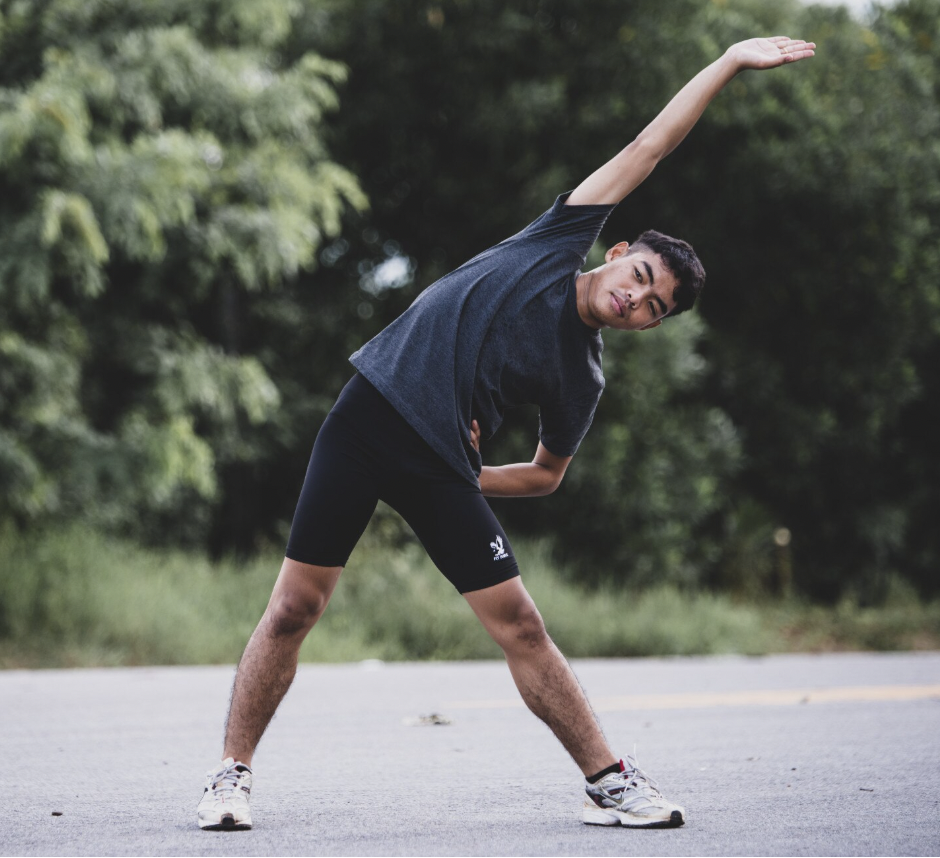
Why Early Diagnosis Matters
The process of recovery becomes longer because patients choose to disregard their pain symptoms which will also create additional complications. Early diagnosis helps Identify the root cause Prevent further damage Reduce recovery time Improve overall performance
An experienced orthopaedic surgeon Bangalore ensures that all recovery activities will follow proper safety guidelines. The practice of training through pain creates an illusion of dedication but it becomes detrimental when people handle it inappropriately.
People need to know their body status and understand the warning signs which show potential health problems. They must get medical help at the appropriate time to keep themselves active without getting injured.
If you’re unsure whether to continue training, consult an expert orthopaedic surgeon Bangalore like Dr. Akshay Shetty for the right guidance and recovery plan.
Leave a Reply