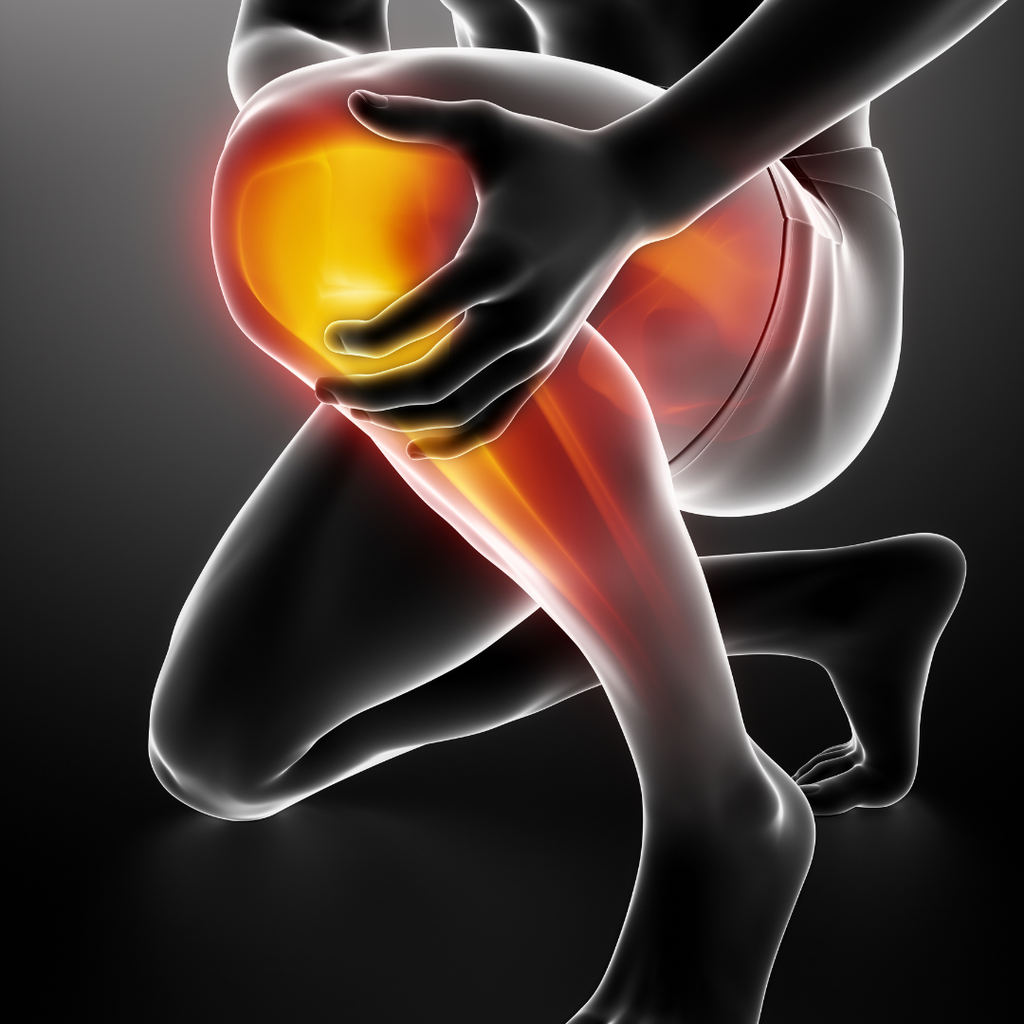
The knee joint is one of the body’s vital joints where the weight is transferred. The knee joint requires cartilage in order for it to function normally and bear weight while performing activities such as walking, running, ascending stairs and participating in sporting activities. Damaged cartilage causes pain and immobility of the knee joint.
A Bone Doctor Bangalore can check knee symptoms find out what might be causing the cartilage damage and suggest a treatment plan depending on how bad the problem’s
Definition of Knee Cartilage
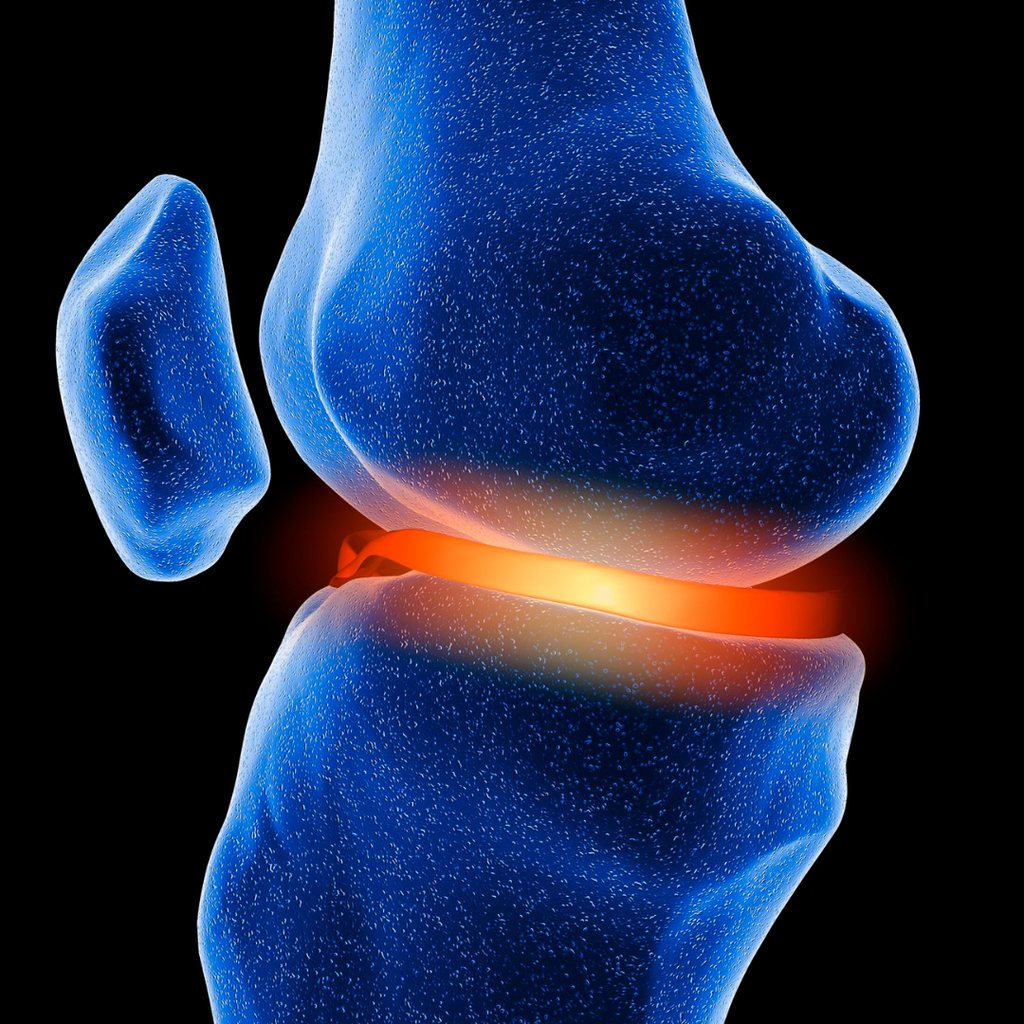
Knee cartilage is a tough tissue lining the end of the bones present inside the knee joint. It lets the bones move with little friction and helps take the impact.
The knee has types of cartilage including:
- Articular Cartilage: The covering over the end of the femur, tibia, and patella.
- Meniscus: This is the C-shaped structure which protects the knee joint and carries the weight load.
If any of these components is injured, it will definitely hinder the performance of the knee.
Causes of Cartilage Injury in the Knee Joint
The knee cartilage might get injured due to a variety of reasons.
Sports Injuries
Twists, falls, and injuries to the joint can damage the cartilage and the meniscus. Players of sports like football, cricket, basketball, and running fall into this category.
Wear and Tear
Cartilage can slowly get worse as people get older and do the things over and over. This might lead to changes in the joint and osteoarthritis.
Previous Knee Injuries
If someone had a ligament injury, a broken bone or a meniscus tear before it could make it more likely to have cartilage problems
Much Stress on the Joint
Doing activities that are very hard on the knee or moving in the wrong way can add extra stress.
Common Symptoms of Cartilage Damage
Symptoms can be different depending on where the injury’s how bad it is
Common signs are:
- Pain in the knee
- Swelling
- Tightness
- Time bending or straightening the knee
- A feeling of clicking or catching
- Less movement in the knee
- Pain when moving
- An unstable feeling in the knee joint
These should not be ignored if they continue, especially if they prevent one from doing normal things.
How Can Cartilage Injury Be Diagnosed?
A Bone Specialist Bangalore may begin with taking a patient’s history and performing a physical examination. The knee might be checked for movement, sore areas, stability, swelling and other signs.
Depending on the symptoms scans might be needed. X-rays can examine the bones and joint alterations whereas MRIs can provide information about the cartilage, menisci, ligaments, and other soft tissues.
Knee Cartilage Injury Treatment
The treatment is chosen based on a number of factors such as the type and severity of cartilage injury, age of the patient, level of activity, knee condition.
Change Activities
Doing less that makes the knee hurt might help the symptoms get better and stop stress.
Physical Therapy
A planned program might focus on:
- Strengthening the muscles around the knee
- Getting flexible
- Getting back the movement
- Balance and movement skills improvement
Strong leg muscles could positively affect the functioning of the knee joint.
Medicine
A doctor might suggest medicine to help with pain and swelling when needed.
Braces and Support
In some cases a brace or other support might help with comfort and stability while healing.
Surgical Intervention When?
All injuries to cartilage do not necessarily require surgery. Some can be treated with rest and changing activities.
Surgery may be considered when:
- Symptoms keep happening after trying other treatments
- There is a lot of cartilage damage
- The knee keeps locking or catching
- The knee feels unstable and affects daily life
- The injury stops the person from doing sports or normal tasks
Depending on the situation surgery options may include small operations, ways to fix the cartilage or other methods to keep the joint working.
The Bone Doctor Bangalore can determine whether surgery is needed for the case or not depending on the circumstances of the person, not the symptoms.
Why is Early Treatment Important?
Failure to address the problem of knee pain will lead to aggravation of the problem. Consultation with a doctor will help detect injuries in cartilage or meniscus.
Early treatment might help:
- Make symptoms less
- Improve movement
- Get the knee working again
- Stop some injuries from getting
- Help get back to being active safely
Can Knee Cartilage Damage Be Avoided?
Not all injuries can be stopped . However, some habits reduce the risk of injuries
Building Up the Muscles around the Knee
The muscles found at the front part of the thigh, the rear part of the thigh, and the hip work to keep the knee in position.
Having a Healthy Body Weight
Having a healthy body weight eliminates the pressure placed on the knee joint while performing various activities.
Warming up Before Exercises
These are exercises that prepare the muscles and joints for exercise.
Use the Way to Move
Correct form during sports and lifting weights can help stop extra stress on the knee.
Increase Activity
Rapid alterations in exercise intensity or quantity will add too much stress on the body.
When to Visit an Orthopedic Doctor?
You should think about seeing a doctor if you have:
- Ongoing knee pain
- Swelling that happens often
- Knee locking or catching
- Trouble walking
- Movement in the knee
- Knee feeling unstable
- Pain that stops you from doing sports or daily tasks
Seeing a doctor early can help find the reason and guide the care.
Conclusion
Knee cartilage damage can come from sports injuries, injuries, repeated stress or getting older. Symptoms, like pain that won’t go away swelling, tightness, clicking, locking and trouble moving should not be ignored. Early check-ups and the right treatment can help protect the knee and help get to normal activities and sports.
If you are having knee problems talking to a Bone Doctor Bangalore can help, find the cause and decide the way to treat it. Dr. Akshay Shetty offers sports injury care helping people deal with knee issues improve movement and work toward better joint health.
Leave a Reply