Arthroscopy is one of those minimally invasive procedures people kinda hear about a lot, mostly for the knee, shoulder, ankle or other joints. Usually, it’s done to figure out and manage joint problems, like damage or injuries, without having to do huge open surgery. And even though arthroscopic surgery often leads to a quicker comeback compared with traditional open methods, rehab after the procedure is still, very much, the real deal. In fact, the recovery exercises are what help bring back strength, range and motion, coordination and overall joint stability once the treatment part is over.
If you’re trying to find an experienced arthroscopy surgeon in Bangalore, it really pays to understand why post-surgical rehabilitation matters and how to return to physical activity in a safer manner. Dr Akshay Shetty helps his patients keep up with organised programs to aid them in their recovery after undergoing arthroscopy. This is especially the case for sports injuries, ligament tears, cartilage problems and several other joint conditions.
What is Arthroscopy?
Arthroscopy is the least intrusive form of surgery. A small camera, along with a few instruments are inserted into the joint via small incisions so the surgeon may view the contents of the joint. It is used widely for: ACL injuries• Meniscus tears
• Shoulder instability
• Cartilage damage
• Rotator cuff injuries
• Ligament injuries
Because incisions are smaller, patients may notice less pain, shorter hospital stays, and quicker recovery compared to traditional surgery.
Why Recovery Exercises Matter After Arthroscopy
A lot of patients believe surgery alone fixes everything, but after a successful procedure, stiffness muscle, weakness and reduced movement might still hang around if rehab is skipped.
Recovery exercises can help with:
• Improving joint movement
• Restoring muscle power
• Reducing stiffness
• Improving balance and coordination
• Supporting a safe return to sports and daily activities
• Preventing repeat injuries
Usually an experienced arthroscopy surgeon Bangalore suggests a structured physiotherapy and rehabilitation plan based on the type of surgery and the patient’s activity level and overall needs.
Common Problems If Rehabilitation Is Not Done
When recovery exercises are not part of the plan, the chances can rise for things like:
• Joint stiffness
• Muscle weakness
• Reduced flexibility
• Persistent swelling
• Poor joint stability
• Delayed recovery
• Recurrent injuries
For athletes and people who are physically active, rehabilitation becomes even more important because they want to go back to sports with less risk.
Phases of Recovery After Arthroscopy
Early Recovery Phase
In the early stage, attention is typically on:
• Reducing swelling
• Managing pain
• Improving gentle joint movement
• Protecting the healing tissues
Sometimes patients are also guided to use ice therapy, compression, and limited weight-bearing if required.
Strengthening Phase
As healing progresses, exercises usually shift toward:
• Strengthening the surrounding muscles
• Improving flexibility
• Restoring balance
• Enhancing joint control
Strengthening matters because it reduces stress on the joint and supports better stability.
Functional Recovery Phase
Later on, patients may start:
• Sports specific exercises
• Balance training
• Endurance exercises
• Controlled physical activity
The aim here is to return to normal movement patterns safely, and reduce the chance of reinjury.
Importance of Physiotherapy After Arthroscopy
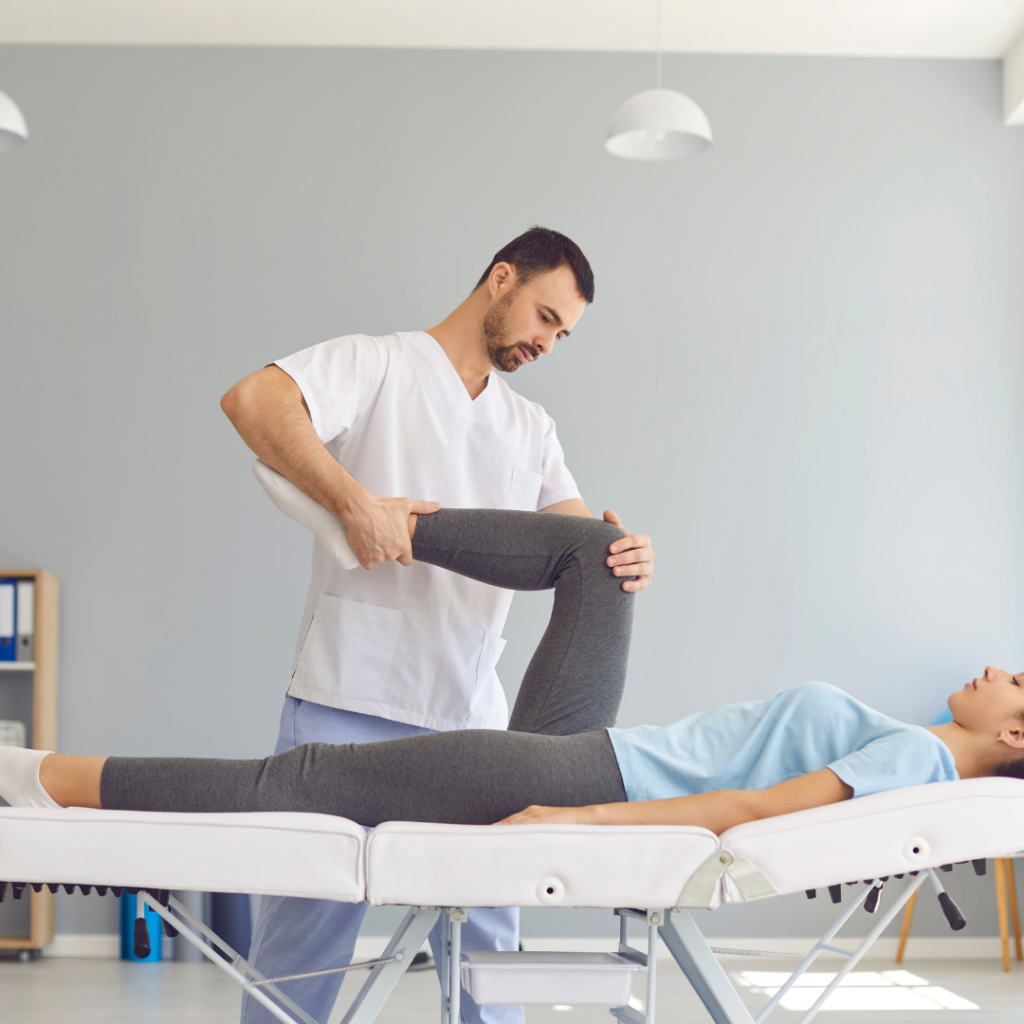
Physiotherapy is a big component of recovery after arthroscopic surgery. Rehabilitation programs are typically shaped around the patient’s condition, age, activity level, and the procedure
performed.
Common benefits from physiotherapy include:
• Faster recovery
• Better joint mobility
• Improved flexibility
• Reduced pain and swelling
• Increased muscle strength
• A safer return to physical activity
Dr. Akshay Shetty often suggests guided physiotherapy programs for patients recovering from sports injuries and arthroscopic procedures, especially when a structured plan is needed.
How Long Does Recovery Take?
Recovery timelines depend on:
• Type of arthroscopic surgery
• Severity of the injury
• Fitness level
• Consistency with rehabilitation
• Overall health condition
Some individuals find improvement within weeks, whereas athletes after ligament reconstruction might take months to recover for a return to sport. An experienced arthroscopy surgeon Bangalore can assist at each step, ensuring safer and more measured follow ups to your progression.
Faster recovery after Arthroscopy:
Following the rehabilitation regimen, adhering to the exercises and instructions from your Physiotherapist will aid in appropriate healing.
Refrain from overtraining the joint.
Excessive work at the joint too soon (even if you start to feel fine) can impede the healing process.
Nutritional support. A healthy diet can help not only in tissue repair but also promote muscle regeneration for an easier recuperation process.
Movement is the medicine. Be gentle with movements; the body will indicate when it’s time to progress in range of movement. Regular follow-up: A review will demonstrate your healing process and allow for the earliest detection of complications.
When Should You Contact Your Doctor?
Contact your doctor if you notice:
• Persistent swelling
• Severe pain
• Fever
• Difficulty moving the joint
• Sudden instability
• Signs of infection
Getting medical attention early can prevent complications and support a smoother recovery.
Why Dr Akshay Shetty for Arthroscopy care?
Dr Akshay Shetty gives advanced diagnosis and then goes into arthroscopic procedures, sports injury management, plus rehabilitation guidance, for people dealing with knee, shoulder, and ligament issues. His method is kind of centred around personalised recovery plans so patients can get back to sports and normal day-to-day routines, with improved joint function.
If you’re looking for a seasoned arthroscopy surgeon in Bangalore, it can really help to have expert care, modern treatment options, and a clear rehabilitation structure too.
Conclusion
Recovery exercises are sort of part of the healing that you really cannot just skip after arthroscopic surgery. If you do proper rehab, then joint motion, muscle strength, flexibility, and even the long-term outcomes tend to improve. But if the recovery exercises get ignored, the healing might move more slowly, and there may be a higher chance of getting future injuries.
If you’re currently recovering from a sports injury or even an arthroscopic procedure, talking to an arthroscopy specialist in Bangalore, such as Dr Akshay Shetty, can be extremely beneficial. He can provide valuable guidance, specific rehabilitation, and the latest orthopaedic care to make your recovery safer and improve your overall joint health.
Leave a Reply